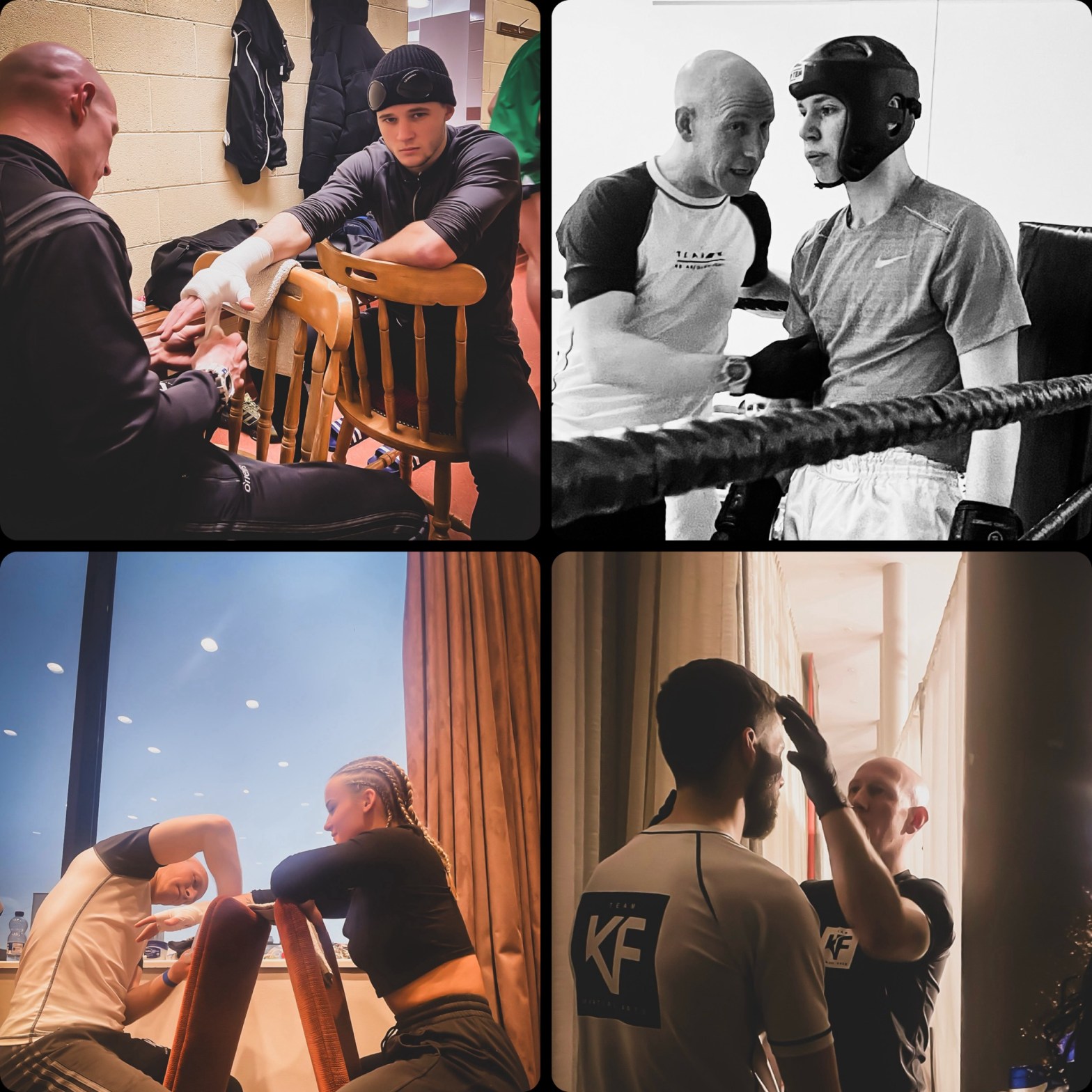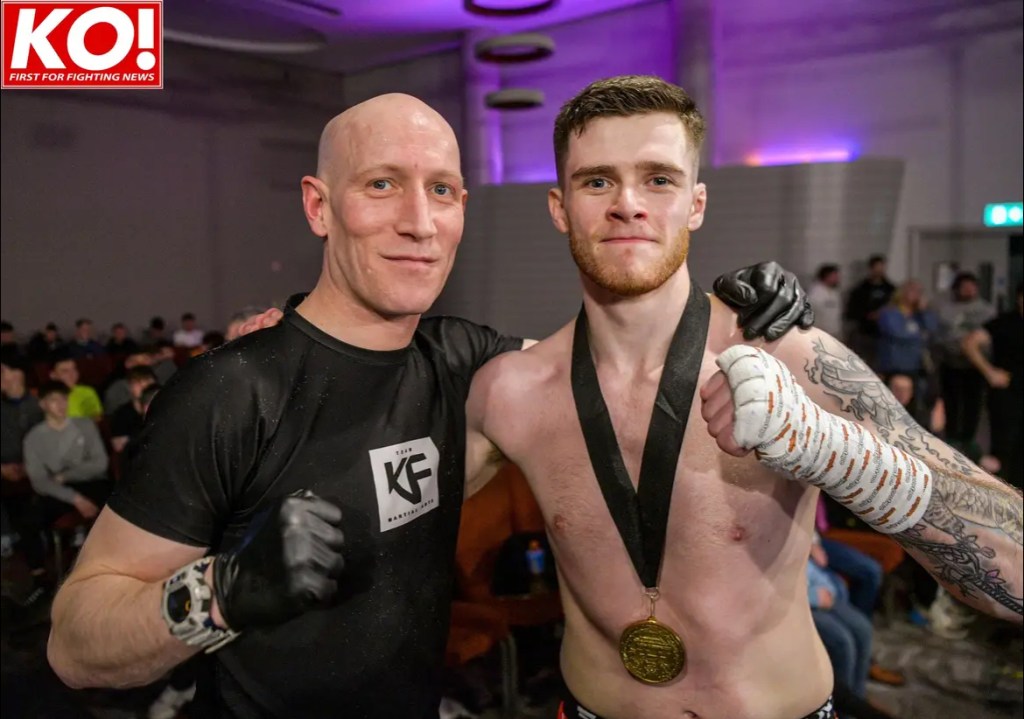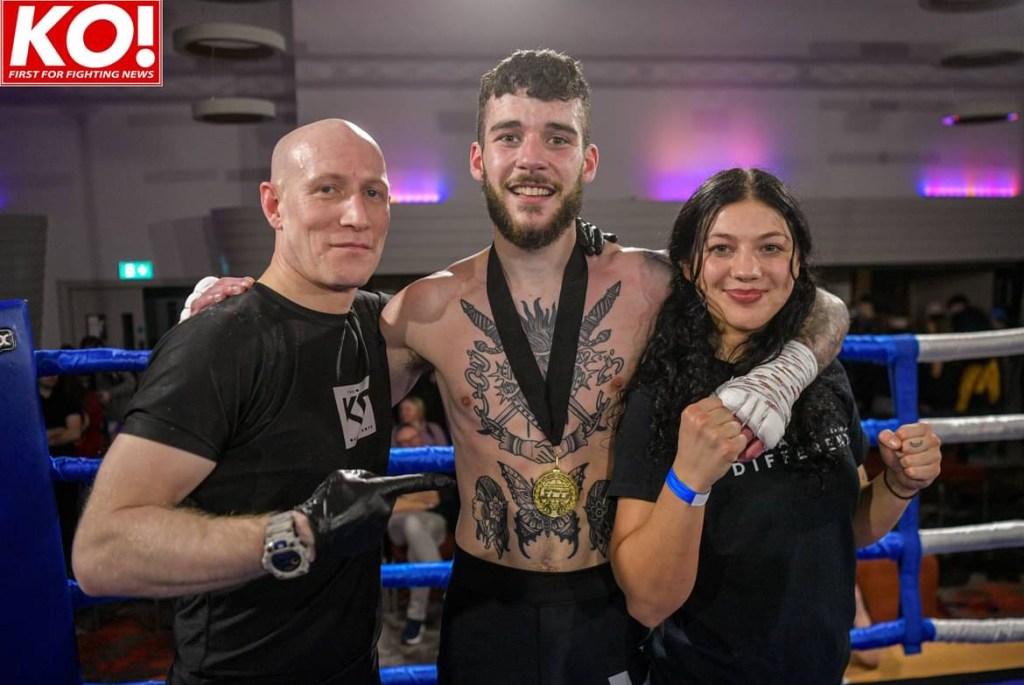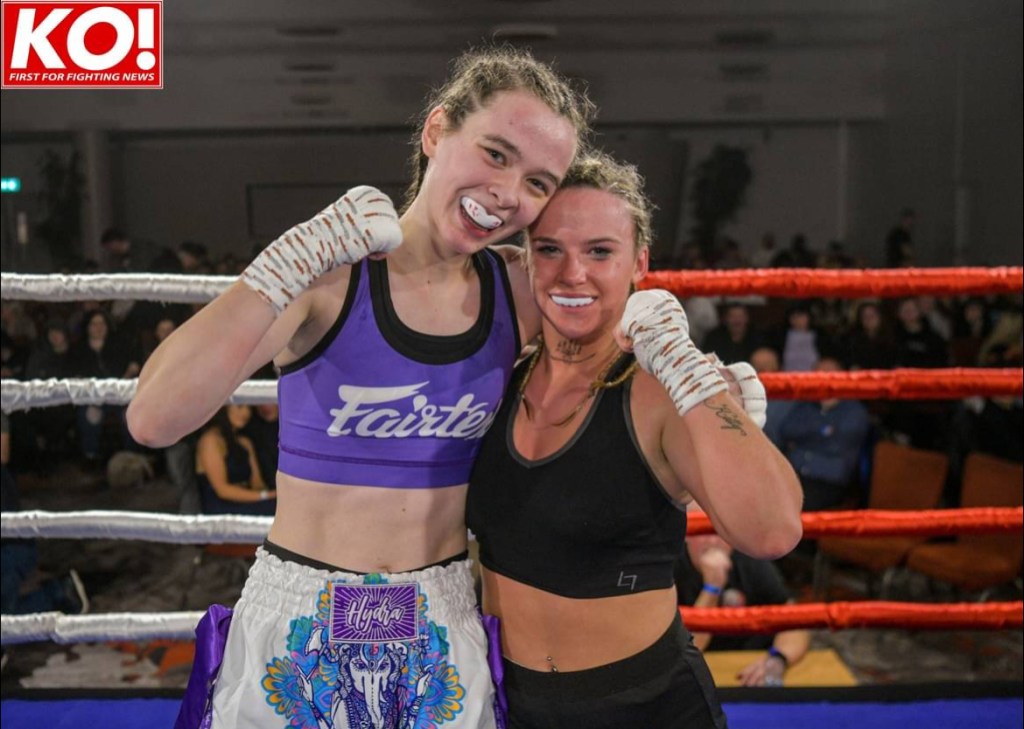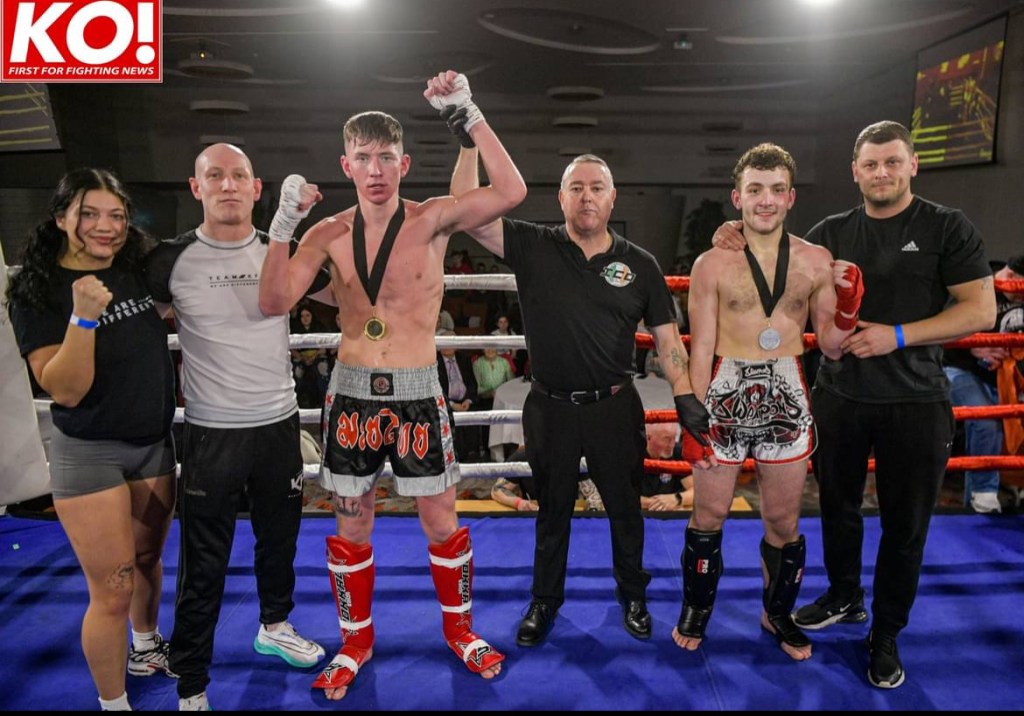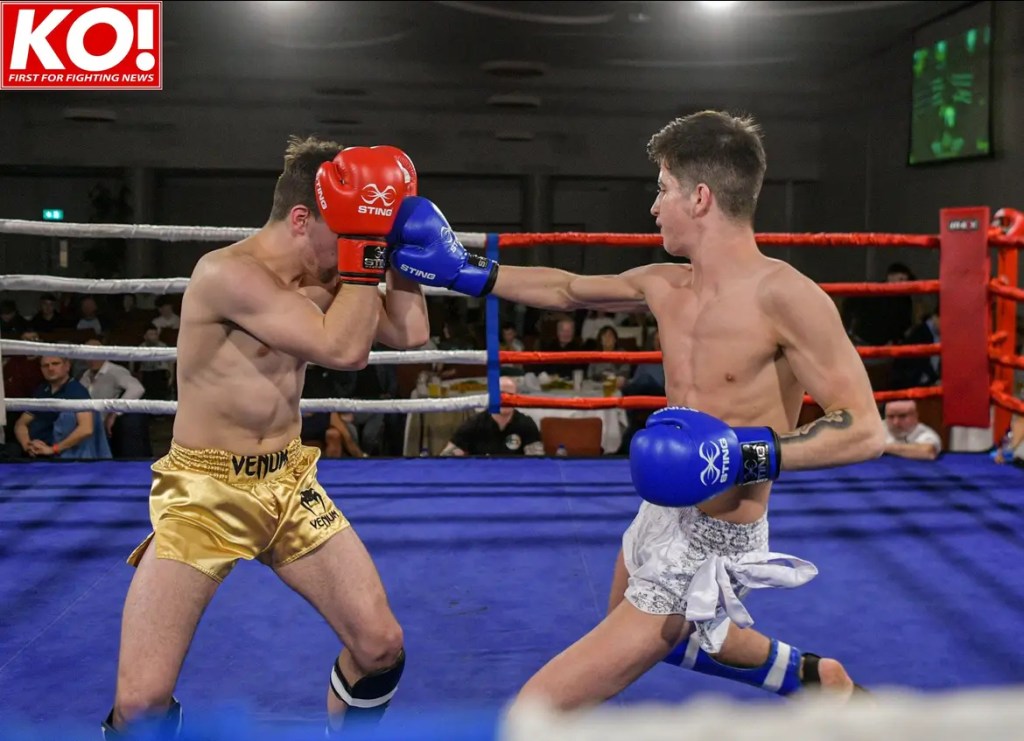
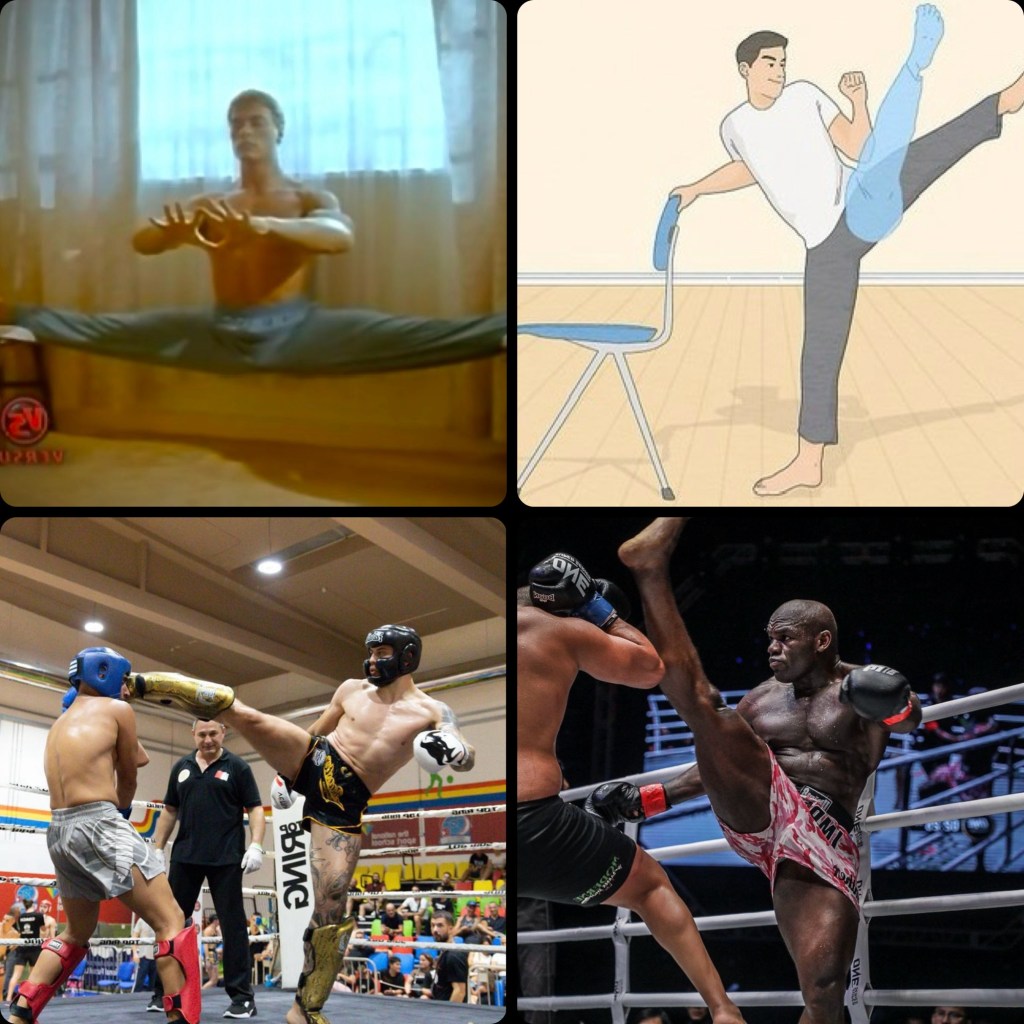
Coach Phil’s flexibility tips.

Flexibility is an integral part of kickboxing training

Love it or hate it, a good stretching routine is integral to martial arts training. But, beyond having the ability to throw controlled and powerful high kicks, good flexibility means an improved range of motion, better blood flow and generally far less injuries.

Coach Phil has extensive knowledge in Neuromuscular Therapy which has informed his flexibility philosophy over the years. Below are some general tips to maximise efficiency and avoid injury:

1. Dynamic Stretching: Incorporate dynamic stretching exercises such as leg swings, arm circles, and torso twists into your warm-up routine to prepare your muscles for movement and increase range of motion.

2. Static Stretching: Perform static stretches for major muscle groups after your workout or as a separate session. Focus on stretches for the hamstrings, quadriceps, hip flexors, calves, and shoulders to improve flexibility and prevent injury.

3. Foam Rolling: Use a foam roller to release tension in tight muscles and improve flexibility. Roll over areas such as the thighs, calves, and back to break up knots.

4. Consistency: Flexibility training should be done regularly to see improvements over time. Aim to stretch at least three to four times per week, if not daily, to maintain and improve flexibility for kickboxing.

5. Breathing and Relaxation: Remember to breathe deeply and relax into your stretches. Avoid bouncing or forcing your body into positions, as this can lead to injury. Instead, hold each stretch for 15-30 seconds and focus on gradually increasing your range of motion.

6. Balance and Stability: Incorporate balance and stability exercises such as single-leg squats or standing on a balance board to improve proprioception and enhance overall control and coordination during kickboxing movements.

7. Progressive Overload: Gradually increase the intensity and duration of your flexibility training over time to continue challenging your muscles and seeing improvements in flexibility.

8. Listen to Your Body: Pay attention to how your body feels during stretching exercises and adjust as needed. Avoid pushing yourself too hard or stretching through pain, as this can lead to injury.
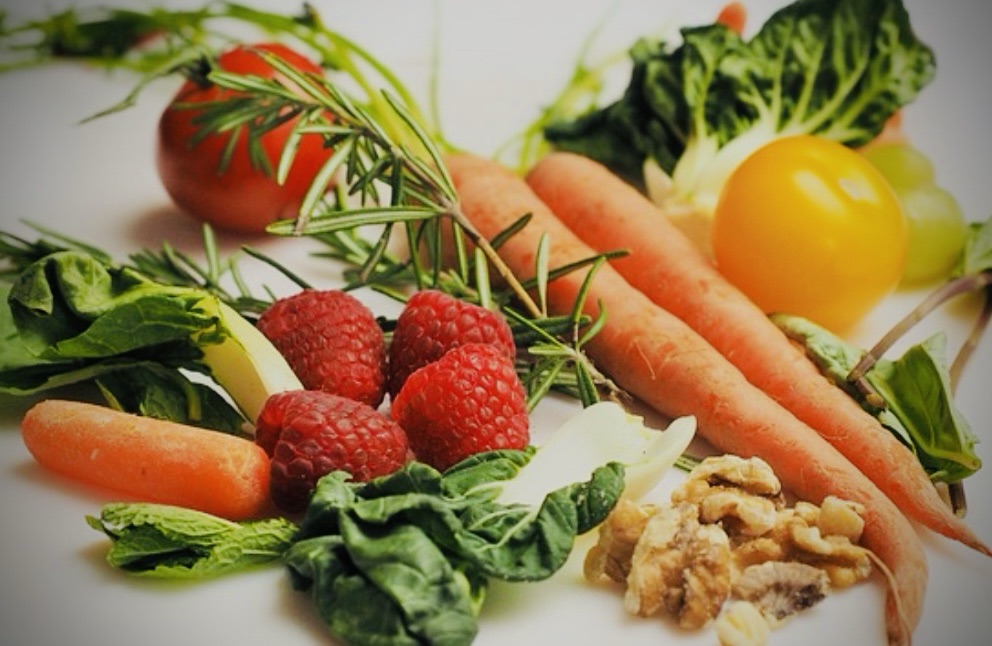
Fighter fuel – 10 tips for healthy eating

Healthy eating is an essential part of training

Nutrition plays a crucial role in the performance and recovery of kickboxers. Here are some key nutrition tips tailored for kickboxers:

1. Balanced Diet: Ensure your diet is balanced, consisting of lean proteins (chicken, fish, tofu), complex carbohydrates (whole grains, fruits, vegetables), healthy fats (avocado, nuts, olive oil), and plenty of vitamins and minerals from a variety of fruits and vegetables.

2. Hydration: Stay hydrated before, during, and after training and fights. Drink water regularly throughout the day and consider sports drinks or electrolyte solutions during intense training sessions to replenish electrolytes lost through sweat.

3. Pre-Workout Fuel: Consume a balanced meal containing carbohydrates and protein 2-3 hours before training or a fight to provide sustained energy. Opt for foods that are easily digestible to prevent discomfort during exercise.

4. Post-Workout Nutrition: Refuel your body within 30-60 minutes after training with a combination of carbohydrates and protein to replenish glycogen stores and support muscle recovery. This could be a protein shake, a meal containing lean protein and carbohydrates, or a snack like yogurt with fruit.

5. Snack Smart: Have nutritious snacks on hand for quick energy boosts between meals. Examples include nuts, fruit, yogurt, or whole grain crackers with nut butter.

6. Portion Control: Pay attention to portion sizes to avoid overeating, which can lead to sluggishness during training or weight gain.

7. Supplementation: While it’s best to get nutrients from whole foods, certain supplements may be beneficial, such as protein powder for convenience, omega-3 fatty acids for joint health, and vitamin D for immune support.

8. Timing Meals Around Training: Plan your meals and snacks around your training schedule. Eat a larger meal 2-3 hours before training, and have a smaller snack or meal within an hour after training.

9. Monitor Weight: If weight management is a concern, work with a nutritionist or dietitian to develop a plan that supports your training goals while maintaining a healthy weight.

10. Listen to Your Body: Pay attention to how different foods make you feel and adjust your diet accordingly. Everyone’s nutritional needs are unique, so experiment to find what works best for you.

Hard work and loyalty pays off – Jordan Dempsey takes the strap

Coach Phil Whyte and Jordan Dempsey celebrate

Coach Phil’s longest serving student takes the ISKA belt and is now the No. 1 amateur K1 fighter in the country. Years of hard work and dedication were rewarded last night as Jordan Dempsey took the split decision to become the 70kg champ. Jordan is also #1 contender for the 67.5kg strap so watch this space!!

Legends Collide: The Greatest K1 Fights Ever Seen

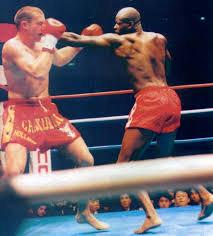
Ernesto Hoost lands a left jab on Peter Aerts

1. Ernesto Hoost vs. Peter Aerts II (1997): Dubbed as one of the greatest K-1 fights, this rematch showcased two legends in an intense battle of skill and determination, with Hoost claiming victory by decision after a grueling fight.

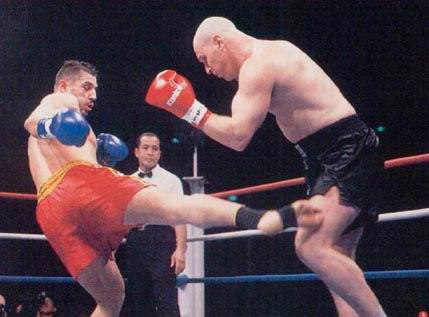
Andy Hug throws a right leg kick at Mike Bernardo's thigh

2. Andy Hug vs. Mike Bernardo (1996): Known for its explosive action, this fight between Hug and Bernardo captivated fans with its back-and-forth exchanges and culminated in a dramatic knockout victory for Hug, solidifying his status as a K-1 icon.

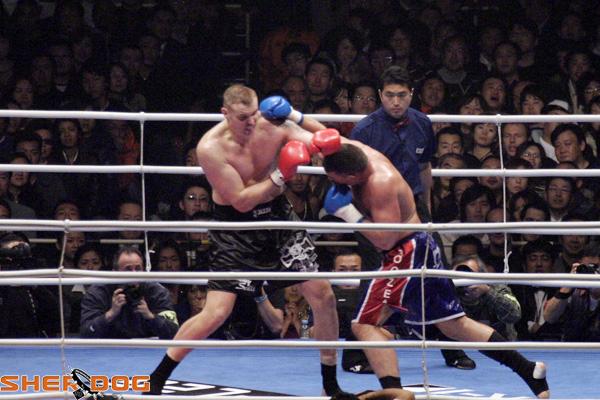
Peter Aerts lands a high right hook on Semmy Schilt

3. Semmy Schilt vs. Peter Aerts III (2010): In their third encounter, Schilt and Aerts delivered a memorable showdown, displaying exceptional technique and heart. Schilt emerged victorious, showcasing his dominance in the heavyweight division.

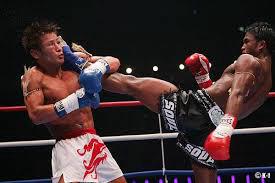
Buakaw teeps Masato in the face

4. Masato vs. Buakaw Banchamek II (2005): This highly anticipated rematch between two of the sport’s most skilled and popular fighters lived up to expectations, with Masato narrowly edging out Buakaw in a thrilling contest that went the distance.

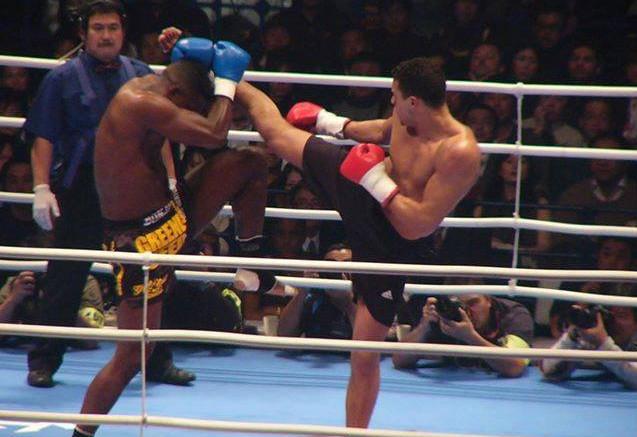
Badr Hari throws a right high roundhouse kick to Remy Bonjasky's guard

5. Remy Bonjasky vs. Badr Hari II (2008): Bonjasky and Hari clashed in an unforgettable rematch marked by high drama and spectacular techniques. Bonjasky emerged victorious once again, showcasing his agility and resilience against Hari’s ferocious attacks.

How to deal with nerves when competing

The hours and minutes before a fight can be tense and nerve wracking. If you go into the ring in the wrong state of mind you can lose focus and not perform to the best of your ability. We asked our coaches and some of our experienced fighters for some tips and tricks to calm the nerves and maintain focus.

1. Deep Breathing: Practice deep, diaphragmatic breathing to calm your nervous system. Inhale deeply through your nose, hold for a few seconds, and exhale slowly through your mouth. Repeat several times.

2. Visualisation: Mentally rehearse your performance going smoothly. Visualize yourself executing your techniques with precision and confidence. This can help reduce anxiety and build confidence.

3. Positive Self-talk: Use positive affirmations to boost your confidence and calm your nerves. Repeat phrases like “I am prepared,” “I am confident,” or “I can do this” to reinforce a positive mindset.

4. Progressive Muscle Relaxation: Tense and then relax each muscle group in your body, starting from your toes and working your way up to your head. This can help release tension and promote relaxation.

5. Focus on the Present: Instead of worrying about the outcome of the competition, focus on the present moment and the task at hand. Concentrate on your breathing, your warm-up routine, or a specific aspect of your performance.

6. Listen to Music: Listen to calming or motivational music that helps you relax and get into the right mindset. Choose music that energizes you without increasing anxiety.

7. Stick to Routine: Stick to your pre-competition routine to create a sense of familiarity and comfort. Follow your usual warm-up, hydration, and nutrition practices to help you feel prepared and grounded.

8. Stay Positive: Remind yourself that it’s normal to feel nervous before a competition and that nerves can actually enhance your performance by keeping you focused and alert.

Experiment with these techniques to find what works best for you, and incorporate them into your pre-competition routine. With practice, you can learn to manage your nerves and perform at your best when it matters most.

ISKA Irish Open Registration

It is the last week to register for the ISKA Open – register at the link below (available to all students who attend advanced class).

Event details:

ISKA Amateur Irish Open 2024

This event will be used as part of the selection campaign for fighters to qualify and earn their chance to join Team Ireland for the ISKA AMA World Championships 2024, to be held in Vienna, Austria from 23rd October until 27th October 2024.

Event will take place on Saturday 6th April 2024 at:

Templemore Sports Complex 
Buncrana Road 
Derry 

The ISKA Irish Open will include Ring Sports, K1 Rules, Low Kick, Full Contact Kick boxing and Light Contact rules. 

For further information please contact Daniel “Pinta” Quigley or email ashleennicell@gmail.com

Discounted accommodation available at the City Hotel, Derry

£135 B&B standard twin or double room 
£155 B&B family room (2 adults 2 children under 12) 

Please find accommodation link below: 
https://reservations.travelclick.com/17151?ProdID=742627&LanguageID=1

We have also secured team accommodation in the style of dormitory’s at St Columb’s Park House , approx. cost £20 per person per night.

Valkyries Mothers Day Show

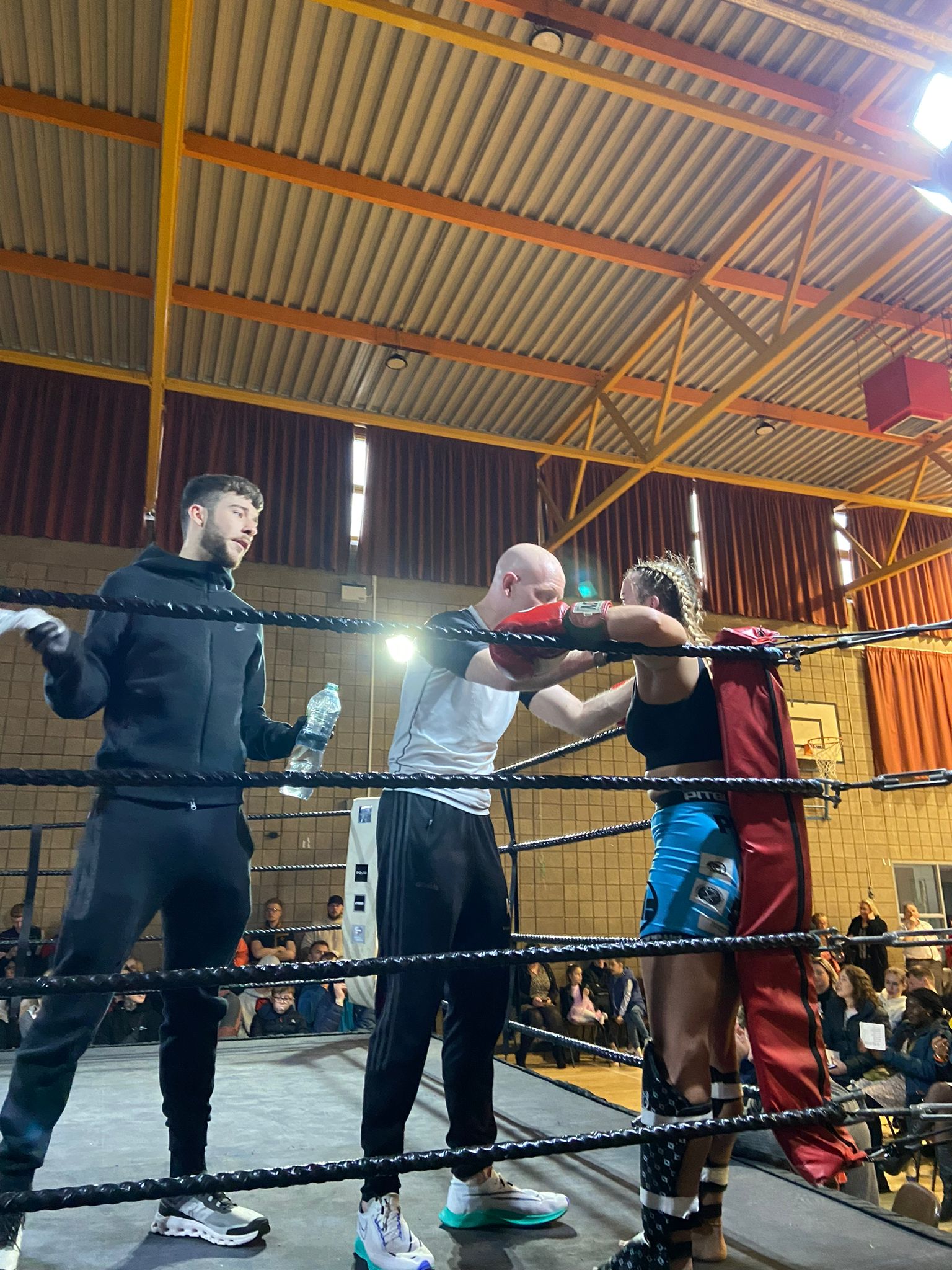
What a team we have. Firstly, thank you to Dave Gordon for a great show under very difficult circumstances. The level of the ladies was unreal. My Amber Kitty Lennon with a “draw”. Never a draw in my book but we take it and move on. Brilliant performance. Ailish Noonan with a 3rd rd stoppage in her first outing. Awesome work! Our Victoria Ochala in her first Pro bout was outstanding. Absolutely belongs at that level. Pipped to a decision which was the correct call.

Technique Breakdown – Roundhouse Kick

To throw a perfect roundhouse kick:

1. Stance – Start in a stable stance with your feet shoulder-width apart, knees slightly bent, and your body weight evenly distributed.

2. Chamber – Lift your knee up and across your body towards your chest, rotating your hips inward.

3. Extension – Extend your leg fully, aiming your foot at your target. Rotate your hips and pivot on the supporting foot to generate power.

4. Contact – Strike with the top of your foot or shin, depending on the target. Aim to make contact with the lower part of your shin for maximum impact.

5. Recoil – Quickly retract your leg back to the starting position to maintain balance and readiness for follow-up strikes or defensive maneuvers.

6. Practice – Repeat the motion slowly and gradually increase speed and power as you become more comfortable with the technique. Consistent practice will help refine your form and timing.

Remember to engage your core muscles throughout the movement for stability and power, and always aim to maintain proper balance and control.

Bad Intentions 8

Thanks to all who had a hand in organising the Bad Intentions 8 card. Congratulations to Liam Millerick, Jordan Dempsey and Jay Dennis for picking up wins against skilled and game opponents. Much respect to Gav McKee and Amber Lennon for putting on great fights, it didn’t go their way this time but we win or learn.

Another great night for Irish kickboxing and K1, we look forward to many more.