
Nutrition plays a crucial role in the performance and recovery of kickboxers. Here are some key nutrition tips tailored for kickboxers:
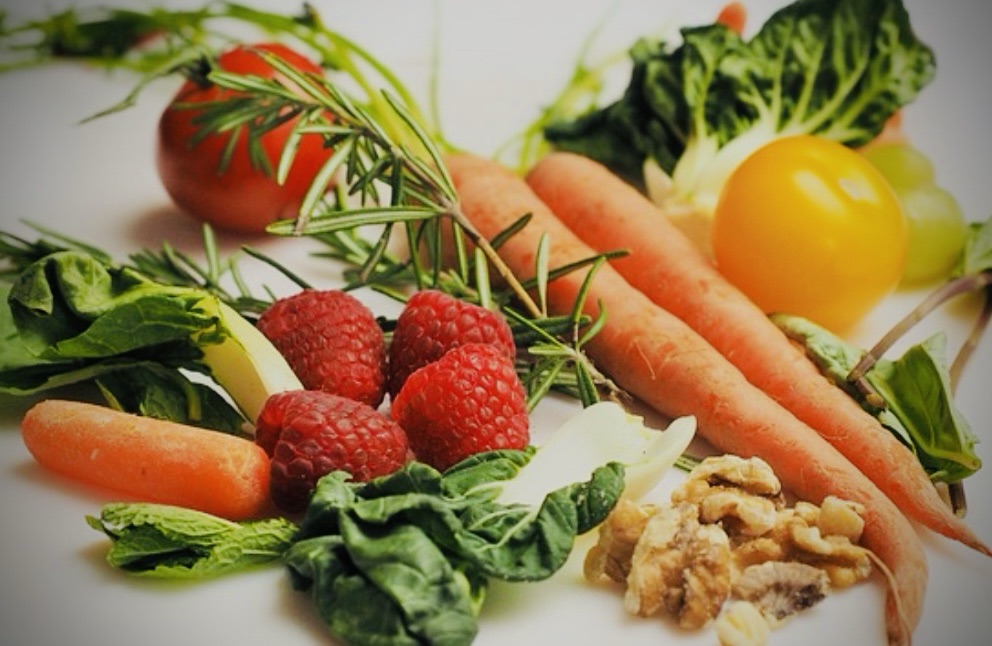
1. Balanced Diet: Ensure your diet is balanced, consisting of lean proteins (chicken, fish, tofu), complex carbohydrates (whole grains, fruits, vegetables), healthy fats (avocado, nuts, olive oil), and plenty of vitamins and minerals from a variety of fruits and vegetables.
2. Hydration: Stay hydrated before, during, and after training and fights. Drink water regularly throughout the day and consider sports drinks or electrolyte solutions during intense training sessions to replenish electrolytes lost through sweat.
3. Pre-Workout Fuel: Consume a balanced meal containing carbohydrates and protein 2-3 hours before training or a fight to provide sustained energy. Opt for foods that are easily digestible to prevent discomfort during exercise.
4. Post-Workout Nutrition: Refuel your body within 30-60 minutes after training with a combination of carbohydrates and protein to replenish glycogen stores and support muscle recovery. This could be a protein shake, a meal containing lean protein and carbohydrates, or a snack like yogurt with fruit.
5. Snack Smart: Have nutritious snacks on hand for quick energy boosts between meals. Examples include nuts, fruit, yogurt, or whole grain crackers with nut butter.
6. Portion Control: Pay attention to portion sizes to avoid overeating, which can lead to sluggishness during training or weight gain.
7. Supplementation: While it’s best to get nutrients from whole foods, certain supplements may be beneficial, such as protein powder for convenience, omega-3 fatty acids for joint health, and vitamin D for immune support.
8. Timing Meals Around Training: Plan your meals and snacks around your training schedule. Eat a larger meal 2-3 hours before training, and have a smaller snack or meal within an hour after training.
9. Monitor Weight: If weight management is a concern, work with a nutritionist or dietitian to develop a plan that supports your training goals while maintaining a healthy weight.
10. Listen to Your Body: Pay attention to how different foods make you feel and adjust your diet accordingly. Everyone’s nutritional needs are unique, so experiment to find what works best for you.
 K1K Martial Arts